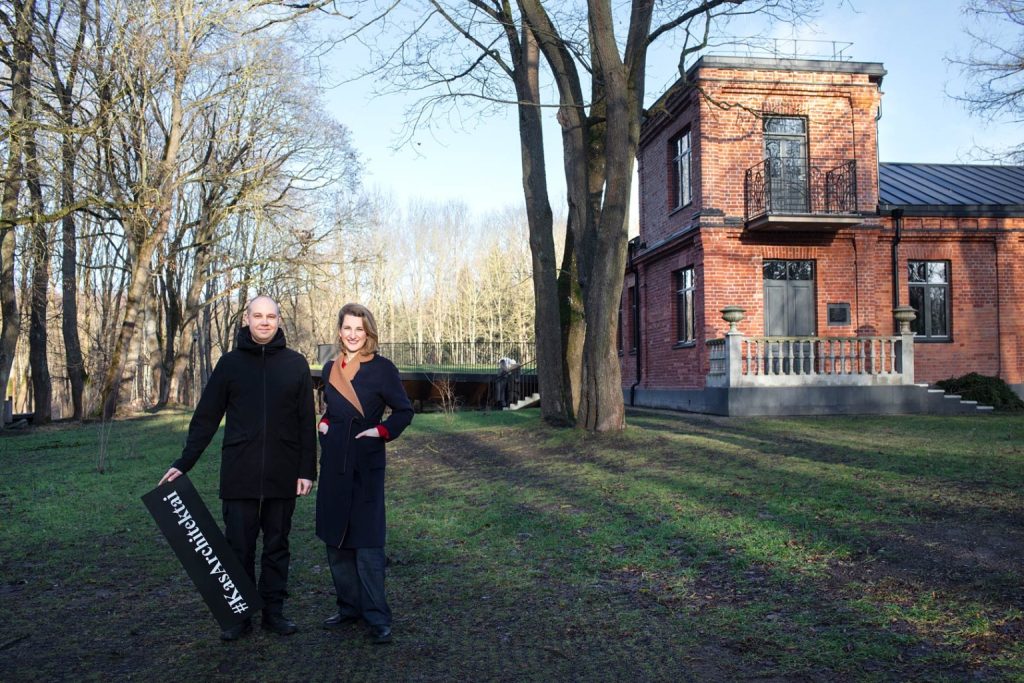
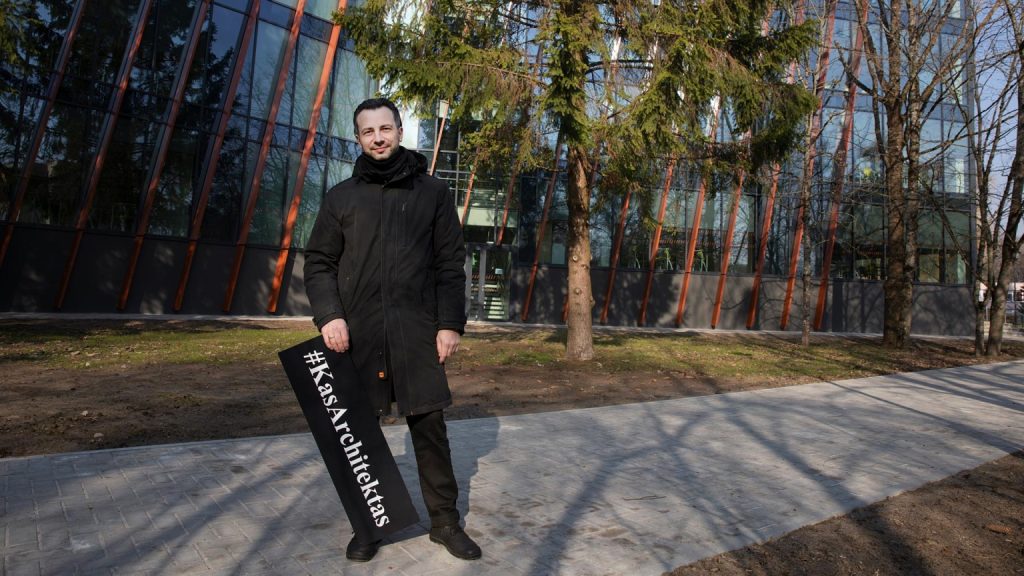
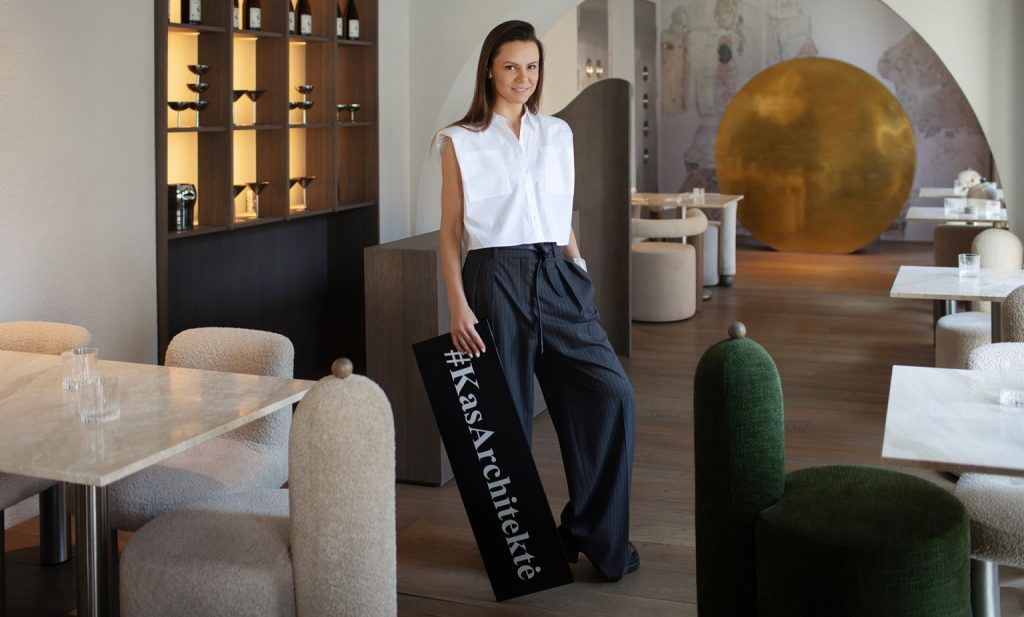
Campagne #Quiestlarchitecte / #Quiestledesigner en Lituanie
De la part de Kollectif :
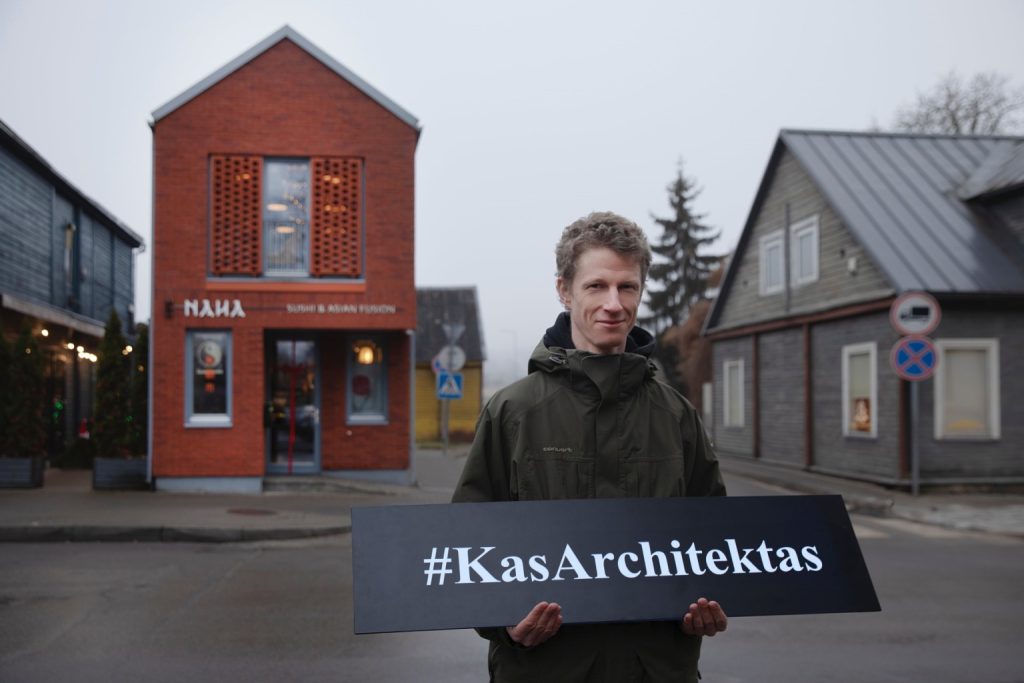
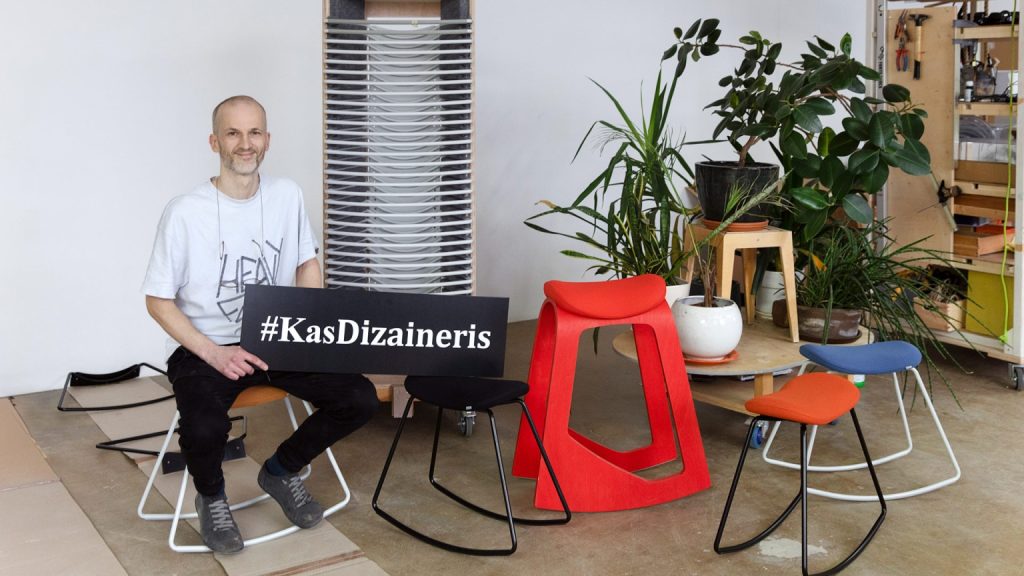
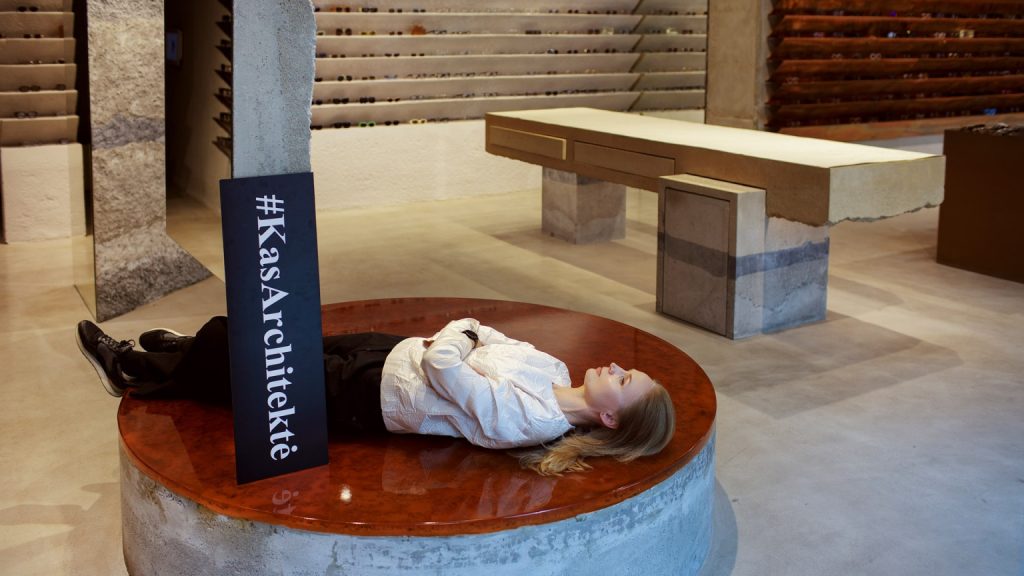
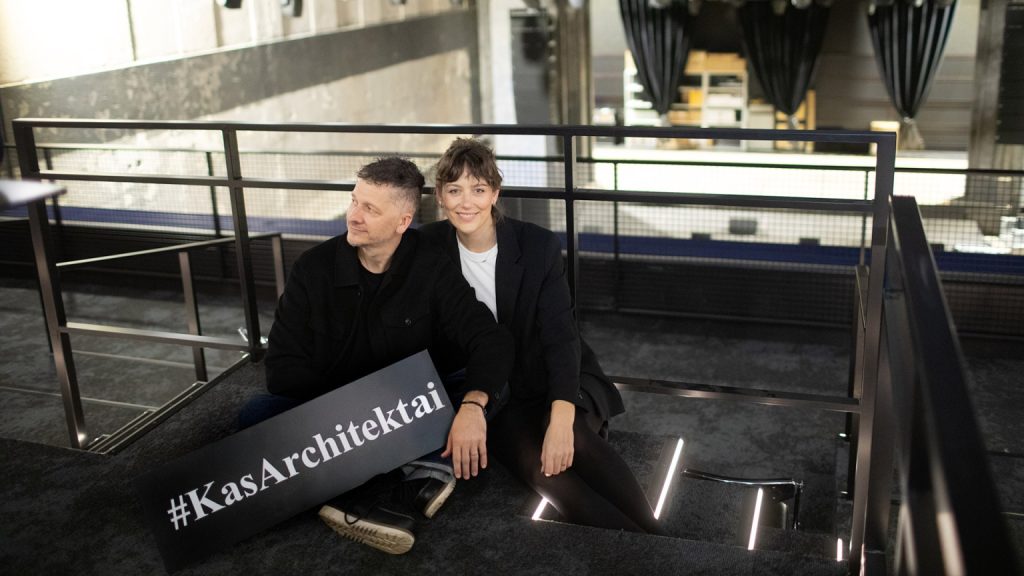
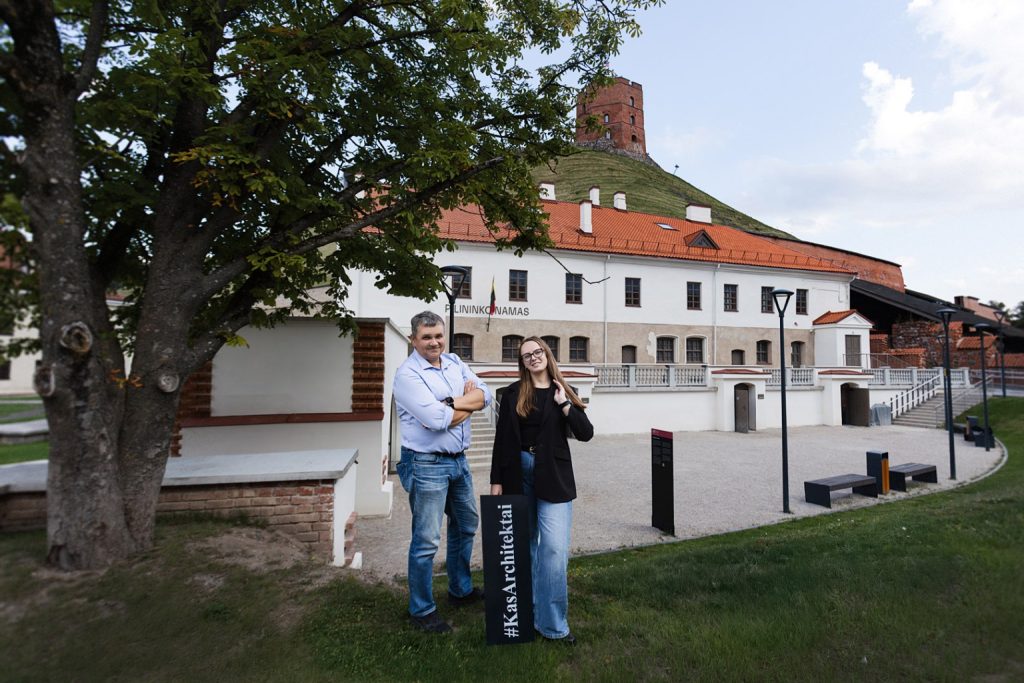
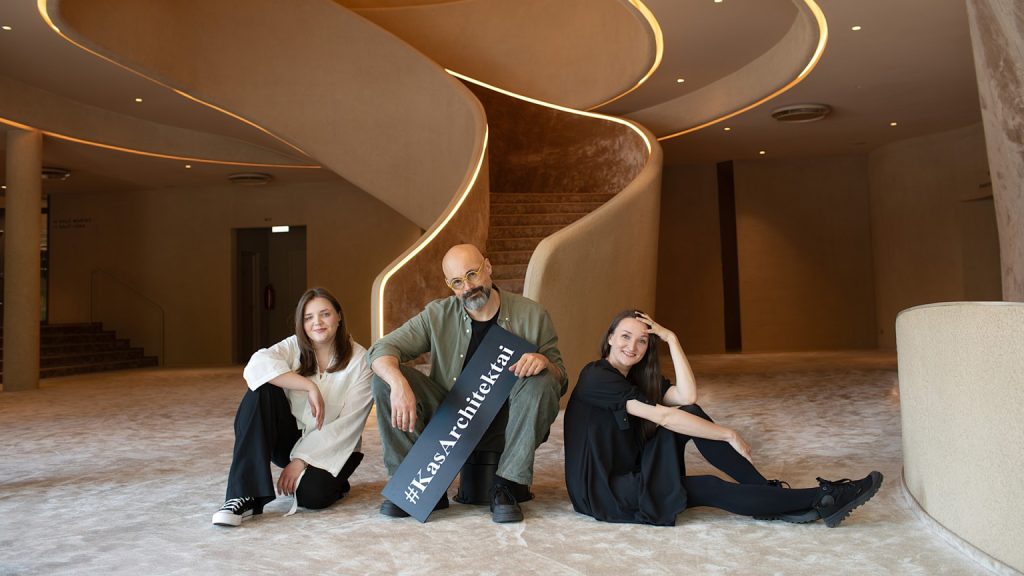
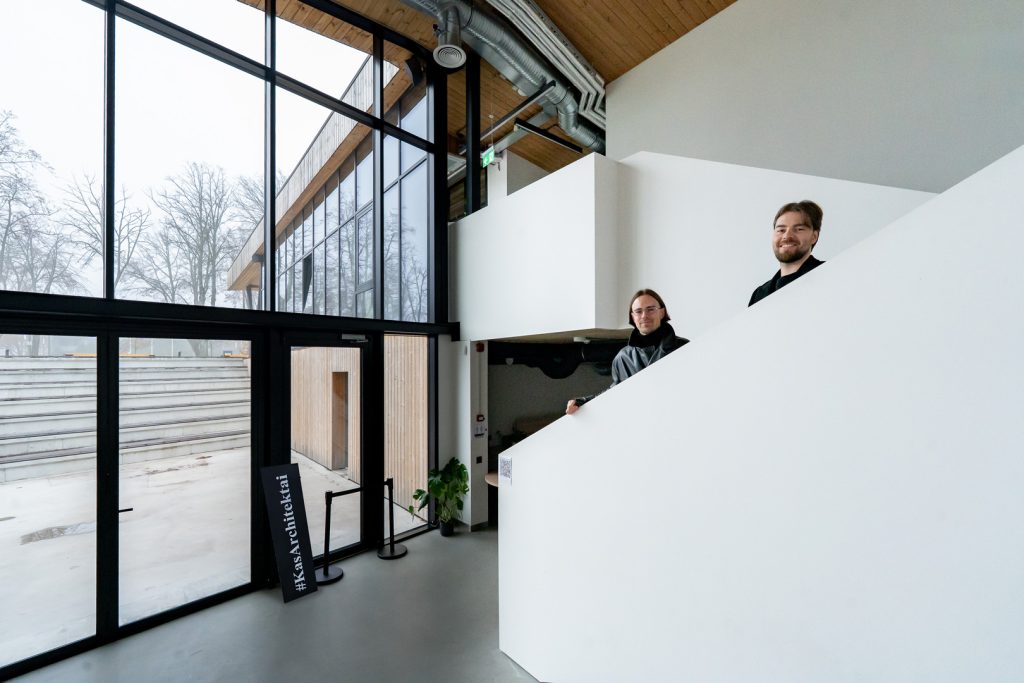
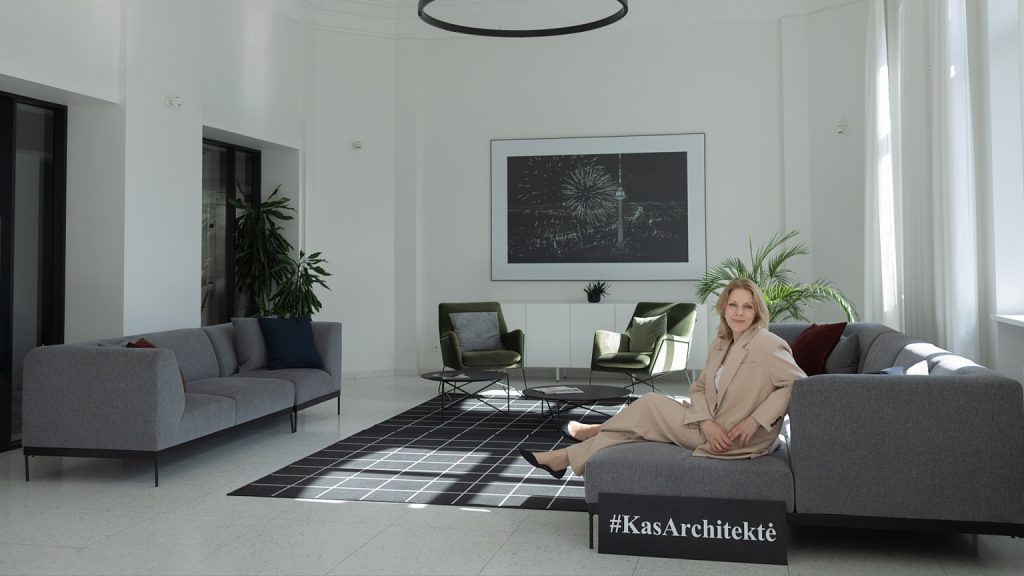
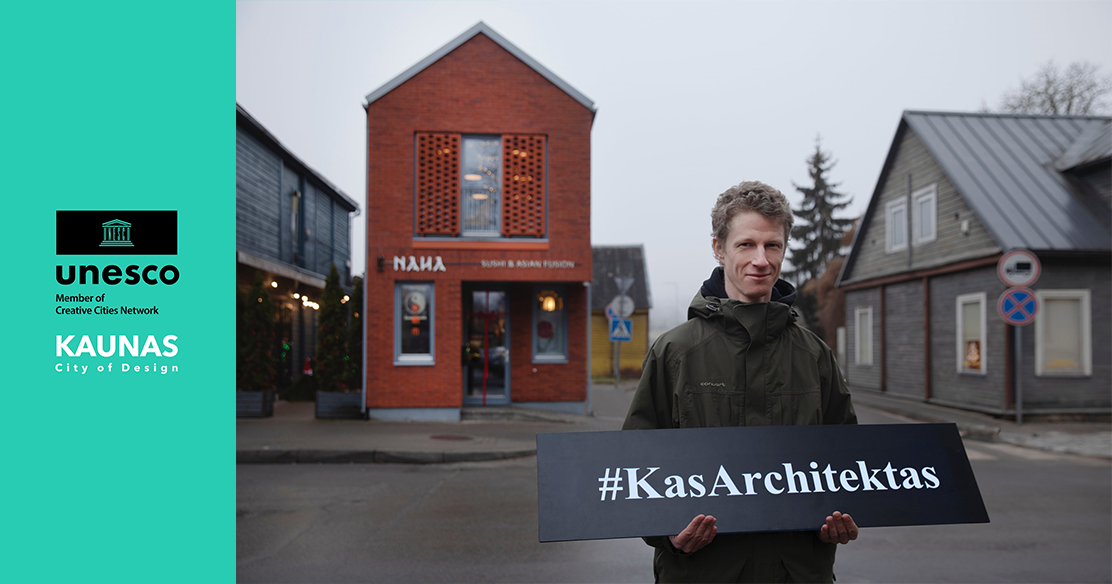
C’est avec grand plaisir que nous dévoilons les photos de la version lituanienne organisée par Kaunas Design (Ville UNESCO de design) et le magazine Nemunas de notre campagne initiée au Québec en 2021 et reprise en Belgique et en Écosse par la suite!
Extrait de l’annonce de la campagne par Kaunas Design :
« Architecture is often seen as buildings, spaces or city skylines, but we rarely think about who is behind these forms. The international campaign #WHOISTHEARCHITECT invites us to turn our attention to the creators – architects, designers, landscapers and other professionals whose work shapes our everyday environment. This initiative aims to remind us of a simple but important fact: every building, interior, design object or public space has an author, and naming them is not only a sign of professional respect but also a sign of cultural maturity.
The #WHOISTHEARCHITECT campaign was born in Montreal, initiated by the architecture agency Kollectif and later spread throughout the UNESCO Design Cities Network. In 2025, Kaunas joined the campaign, becoming the platform for this initiative in Lithuania. The Lithuanian part of the campaign was implemented by the cultural magazine Nemunas in collaboration with professionals in culture and creativity from Kauno Kolegija. The project was curated and implemented by the team of the Faculty of Arts and Education [Kauno Kolegija], led by project manager Gediminas Banaitis-Skrandis, with photography by lecturer and artist Svetlana Batura. »
In Lithuania, the campaign distinguished itself by highlighting not only projects in Vilnius or widely recognised landmarks, but also high-quality architecture found beyond the capital. The publications featured Anykščiai, Panevėžys, Zapyškis, Akademija and Palanga – cities and towns where high-quality architecture is becoming an especially important part of local identity and community life. The aim was to show that the professional work and authorship of architects is significant not only in large cultural or business projects, but also in smaller areas where architecture directly affects people’s everyday environment.
Galerie de photos